Solar Water Pumping Systems: How They Function & Their Benefits
Solar water pumping systems are becoming a vital solution for agriculture, livestock, & domestic water supply, mainly in areas with limited access to electricity. These systems use solar energy to pump water efficiently, reducing reliance on traditional power sources & offering a sustainable alternative. Knowing how these systems work can aid you make informed decisions about installing and maintaining them.
Components of Systems
A typical solar water pumping system consists of four main components:
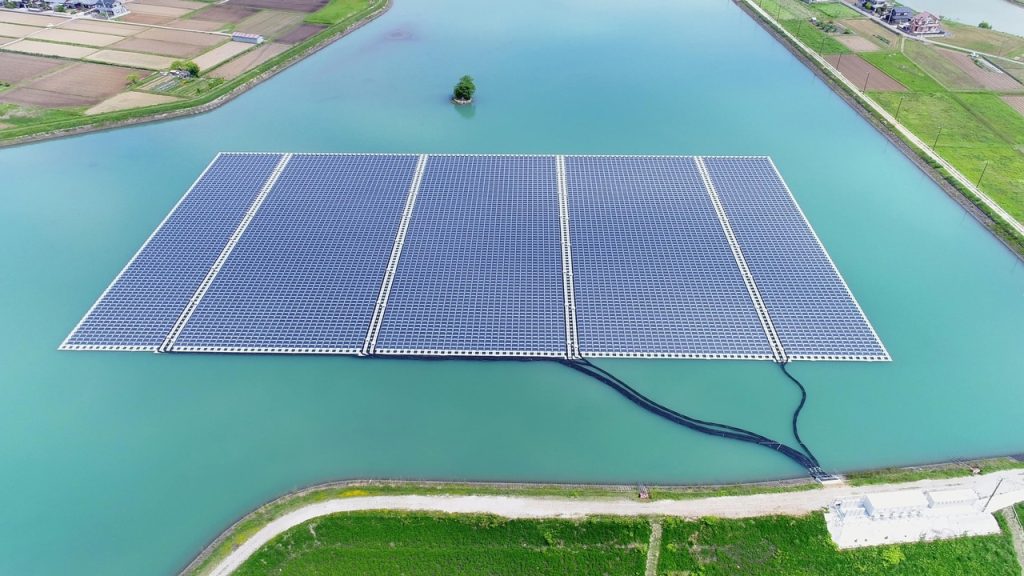
1. Solar Panels – These capture sunlight & convert it into electricity. The system's efficiency mainly depends on the quality and positioning of the panels.
2. Pump Controller – This device regulates the voltage and current supplied to the pump, protecting it from overloading and ensuring smooth operation.
3. Pump – The heart of the system, pumps can be either submersible or surface-mounted. Submersible pumps are directly placed in the water source, while surface pumps are installed outside and pull water through pipes.
4. Pipes and Storage Tanks – These transport & store water for irrigation, livestock, or domestic use. Correct sizing ensures a consistent water supply.
Don't forget to check it out : 9 Real-Life Examples of How RO Technology Is Transforming Tanzanian Communities
How Solar Water Pumps Work
Systems operate on a simple principle: converting solar energy into mechanical energy to move water. When solar panels are exposed to sunlight, they generate electricity in the form of direct current (DC). This electricity is then sent to the pump via the controller.
For DC pumps, the electricity directly powers the pump motor, allowing water to be moved from the source to the storage tank or irrigation system. For AC pumps, the DC electricity is converted to alternating current (AC) using an inverter. Modern systems often use Maximum Power Point Tracking (MPPT) controllers, which optimize the energy output from the panels to ensure the pump operates efficiently even under variable sunlight conditions.
Types of Solar Water Pumps
Systems can be categorized based on their installation & operation:
1. Submersible Pumps – Installed inside wells or boreholes, they are suitable for deep water sources and deliver high water volumes.
2. Surface Pumps – Installed above ground, they draw water from rivers, ponds, or shallow wells and are easier to maintain.
3. Hybrid Systems – Combine solar energy with batteries or grid electricity to ensure continuous water supply during cloudy days or at night.
Advantages of Systems
There are various benefits to using systems:
o Cost-Effective – They decrease electricity & fuel expenses over period.
o Eco-Friendly – Solar energy is clean, decreasing carbon emissions.
o Reliable Water Supply – Mainly in remote areas, these systems offer consistent access to water without depend on unreliable grid electricity.
o Low Maintenance – With fewer moving parts & no fuel required, maintenance is minimal.
By harnessing sunlight, these systems provide a sustainable and efficient solution for water supply challenges in agriculture, livestock, and domestic use.
In Conclusion
Systems are an innovative & sustainable solution for water supply, converting solar energy into a reliable source of water for various applications. Their simple design, low maintenance, & cost efficiency make them ideal for farms, rural communities, and industries. For those looking for dependable solar water pumping solutions in Tanzania, Tamgo Tanzania Limited offers high-quality systems tailored to meet diverse needs while ensuring long-term performance.


Comments
Post a Comment